Naples, Collier County
After the storm in Naples: board-up, tarps, and drying
Aftermath restores storm damage in Naples, 24/7. Call (239) 688-2880 for board-up, extraction, drying, and emergency tarping across Collier County.
24/7 · Licensed & insured · FL mold license MRSR4195 · ★ 5.0 on Google (21 reviews)
Storm risk in Naples
Naples is Gulf-front and low, so surge from a hurricane can push water into ground floors, garages, and parking levels. Wind-driven rain also gets in around windows and sliders in high-rise units. After a storm we board up openings, extract water, and dry walls and floors before mold starts.
Naples is the Gulf-front city in Collier County, from Old Naples and the Fifth Avenue South and Third Street South districts to Park Shore and Port Royal. High-rise condos, older beach cottages, and large single-family homes sit side by side, and many are seasonal. Ian's surge flooded parts of Naples in 2022.
Why Naples's housing stock matters here
The Census Bureau's 2018–2022 American Community Survey puts Naples at about 19,315 residents. Roughly 41% of housing units are held for seasonal or recreational use; storm damage is often found days later by a neighbor or manager. The median home in Naples was built around 1982 (the Census Bureau's 2018–2022 American Community Survey); homes built before 2002 predate the statewide Florida Building Code and its stronger wind provisions. About 51% of units are in buildings with 10 or more units, so wind-driven rain gets in around sliders and windows on upper floors.
Before we arrive
- Leave the breaker alone if you would have to stand in water to reach it.
- Photograph damage inside and out before cleanup.
- Run generators outdoors, well away from doors and windows.
Working with your insurer in Naples
After a hurricane, wind and flood claims often go to different insurers. We keep the documentation separate so each adjuster gets what they need. You stay in control of your claims.
How storm restoration works
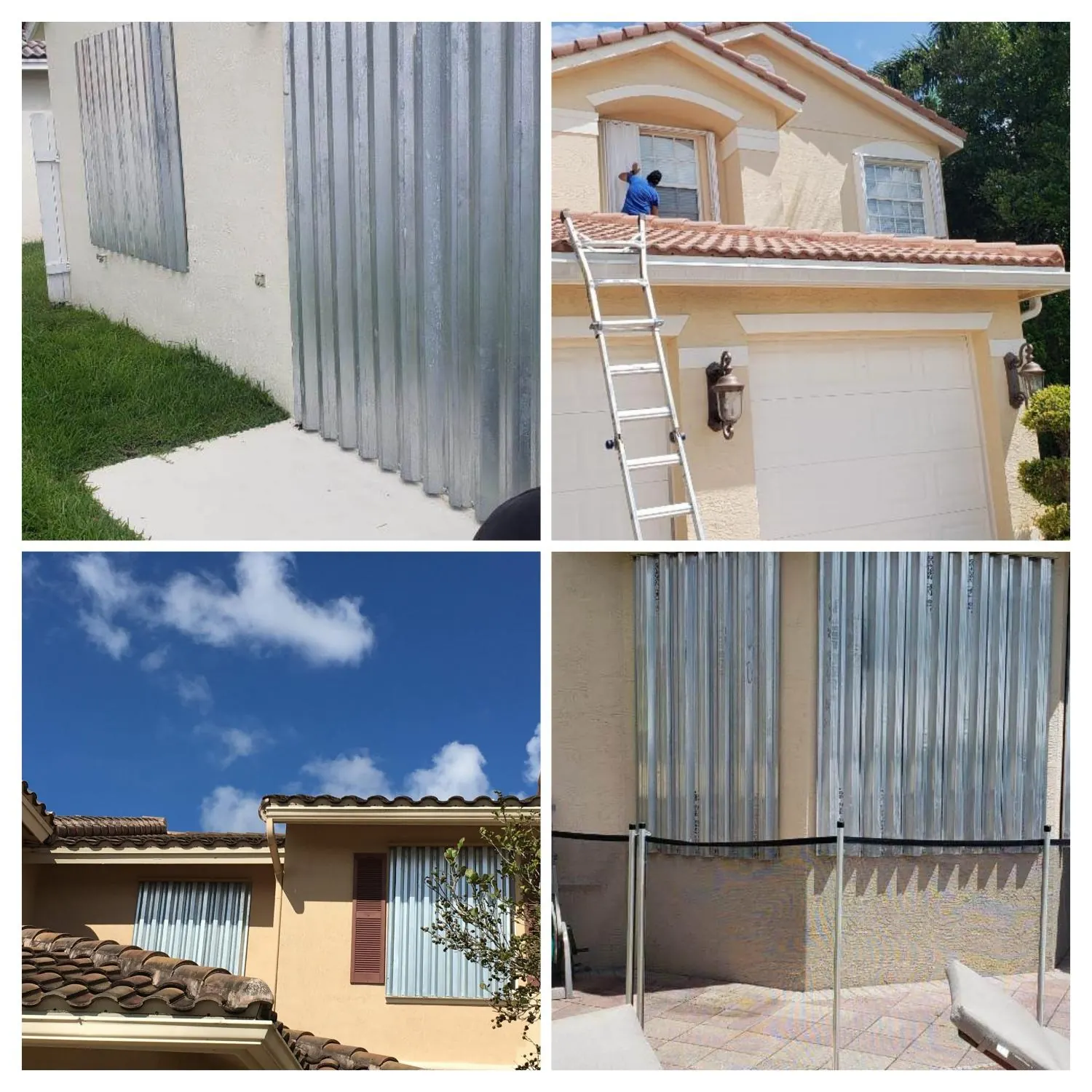
- Board up broken windows, sliders, and doors with metal panels.
- Extract storm and flood water from floors and carpet.
- Cut out wet materials that will not dry in place.
- Dry the structure and log readings until they are normal.
- Document wind damage and flood damage separately for your insurers.
Related services for Naples
- Water damage in Naples: extraction, structural drying, and moisture mapping.
- Mold remediation in Naples: containment, HEPA filtration, and removal under Florida license MRSR4195.
- Fire and smoke in Naples: board-up, soot and odor cleanup, and drying of firefighting water.
- Emergency tarping in Naples: temporary roof cover to stop water until a roofer repairs it.
- Commercial restoration in Naples: water, mold, and fire restoration for businesses, rentals, and associations.
- All services in Naples
Nearby cities
Emergency dispatch
Request a crew
Water, mold, fire, or storm damage. We document the loss for your insurance claim. You keep the claim.
24/7 · Licensed & insured · FL mold license MRSR4195 · ★ 5.0 on Google (21 reviews)
Standing water or an active scene? Call (239) 688-2880 now. We answer 24/7. By sending, you agree we may call or text this number about this loss.
Common questions
Storm damage restoration questions in Naples
Do you work on storm damage in Naples condo buildings?
Yes. We work in individual units and common areas, extracting water, removing soaked materials that cannot be dried, and setting drying equipment. Coordinate access with your building manager, and we will document the damage for the association and unit owners' insurers.
Is storm water damage covered by insurance?
Wind-driven rain through a damaged roof or window is usually a homeowners claim; rising flood water usually needs a separate flood policy. We document each separately. You keep the claim.
How soon after a hurricane can you get to Naples?
We answer 24/7, but after a major storm everyone calls at once. Call (239) 688-2880 and we give you an honest arrival time. Crews go out once winds drop and roads are safe.
Do you tarp roofs in Naples after a storm?
Yes. We offer emergency roof tarping in every area we serve, including Naples. The tarp stops more water getting in until a licensed roofer makes permanent repairs.
What if storm water sat in my Naples home for days?
Anything soaked for days, like drywall, insulation, and carpet pad, usually has to come out. We remove it, dry the structure, and check for mold before the walls are closed up.