Lely, Collier County
Storm damage restoration in Lely, FL
Storm damage in Lely? Call Aftermath Restoration Group at (239) 688-2880, 24/7. We close up broken openings, tarp roofs, get the water out, and document wind and flood damage for your insurer. Licensed and insured across Collier County.
24/7 · Licensed & insured · FL mold license MRSR4195 · ★ 5.0 on Google (21 reviews)
Storm damage we see in Lely
Storm calls in Lely mix wind-driven rain through windows and roofs with high water from canals, bays, or rivers. Board-up comes first, then extraction and structural drying.
Lely is a residential area in East Naples off US 41, with canals and single-family homes, some dating to the 1960s and 1970s. The U.S. Census Bureau's 2018–2022 American Community Survey estimates about 3,548 residents in Lely. The median year of construction is about 1984, so many homes were built before Florida's post-2002 hurricane building-code updates. Canal-front homes in Lely sit at low elevation, where high tides and storm water can push under doors and into ground-level rooms. Older housing in Lely often has aging supply lines, water heaters, and roofs that have been through several storms.
Securing and drying out
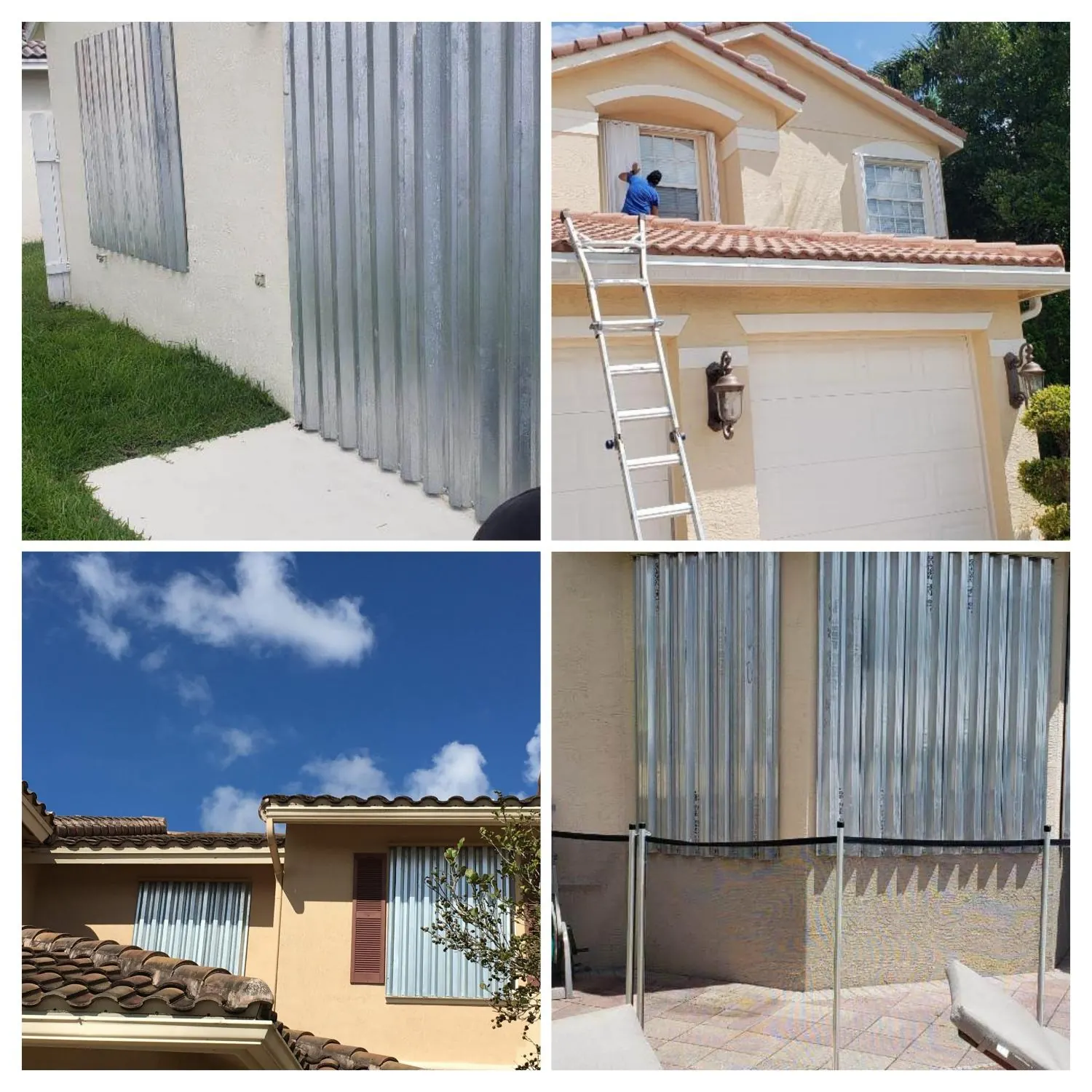
- Board up broken windows, sliders, and doors with metal panels.
- Pull standing water out of the building.
- Cut out wet materials that will not dry in place.
- Set air movers and dehumidifiers and track moisture readings until dry.
- Record each source of water apart, because wind and flood are often different policies.
Lely: local context
Median year built: 1984. That matters because homes built before 2002 predate the statewide Florida Building Code and its stronger wind provisions. Population: about 3,548 (the Census Bureau's 2018–2022 American Community Survey estimate). The median age in Lely is about 67 (the Census Bureau's 2018–2022 American Community Survey). We can send photos and paperwork to a family member or manager who helps with the claim. About 40% of units are in buildings with 10 or more units, so wind-driven rain gets in around sliders and windows on upper floors.
After the storm passes
- Turn off power to wet areas only if you can do it safely.
- Take photos of the roof, openings, and every wet room.
- Call your insurance company and write down the claim number.
Who pays, and who keeps the claim
After a hurricane, wind and flood claims often go to different insurers. We keep the documentation separate so each adjuster gets what they need. You stay in control of your claims.
Other services in Lely
- Water damage in Lely: extraction, structural drying, and moisture mapping.
- Mold remediation in Lely: containment, HEPA filtration, and removal under Florida license MRSR4195.
- Fire and smoke in Lely: board-up, soot and odor cleanup, and drying of firefighting water.
- Emergency tarping in Lely: temporary roof cover to stop water until a roofer repairs it.
- Commercial restoration in Lely: water, mold, and fire restoration for businesses, rentals, and associations.
- All services in Lely
Also serving nearby
Emergency dispatch
Request a crew
Water, mold, fire, or storm damage. We document the loss for your insurance claim. You keep the claim.
24/7 · Licensed & insured · FL mold license MRSR4195 · ★ 5.0 on Google (21 reviews)
Standing water or an active scene? Call (239) 688-2880 now. We answer 24/7. By sending, you agree we may call or text this number about this loss.
Common questions
Storm damage restoration questions in Lely
Do you handle storm damage in Lely?
Yes. We board up openings, tarp roofs, extract water, remove soaked materials, and dry the structure in Lely. We document wind and flood sources separately for your insurers.
Do you tarp roofs in Lely after a storm?
Yes. We offer emergency roof tarping in every area we serve, including Lely. The tarp stops more water getting in until a licensed roofer makes permanent repairs.
Do you board up businesses in Lely after storms?
Yes. We secure broken windows and doors, tarp roofs, and extract and dry storm water in commercial buildings in Lely.
Is storm water damage covered by insurance?
Wind-driven rain through a damaged roof or window is usually a homeowners claim; rising flood water usually needs a separate flood policy. We document each separately. You keep the claim.
What if storm water sat in my Lely home for days?
Anything soaked for days, like drywall, insulation, and carpet pad, usually has to come out. We remove it, dry the structure, and check for mold before the walls are closed up.