Goodland, Collier County
After the storm in Goodland: board-up, tarps, and drying
Aftermath Restoration Group handles storm damage restoration in Goodland, Collier County, 24/7. Call (239) 688-2880 for board-up, emergency roof tarping, storm water extraction, and structural drying. We give you an arrival time when you call.
24/7 · Licensed & insured · FL mold license MRSR4195 · ★ 5.0 on Google (21 reviews)
Storm risk in Goodland
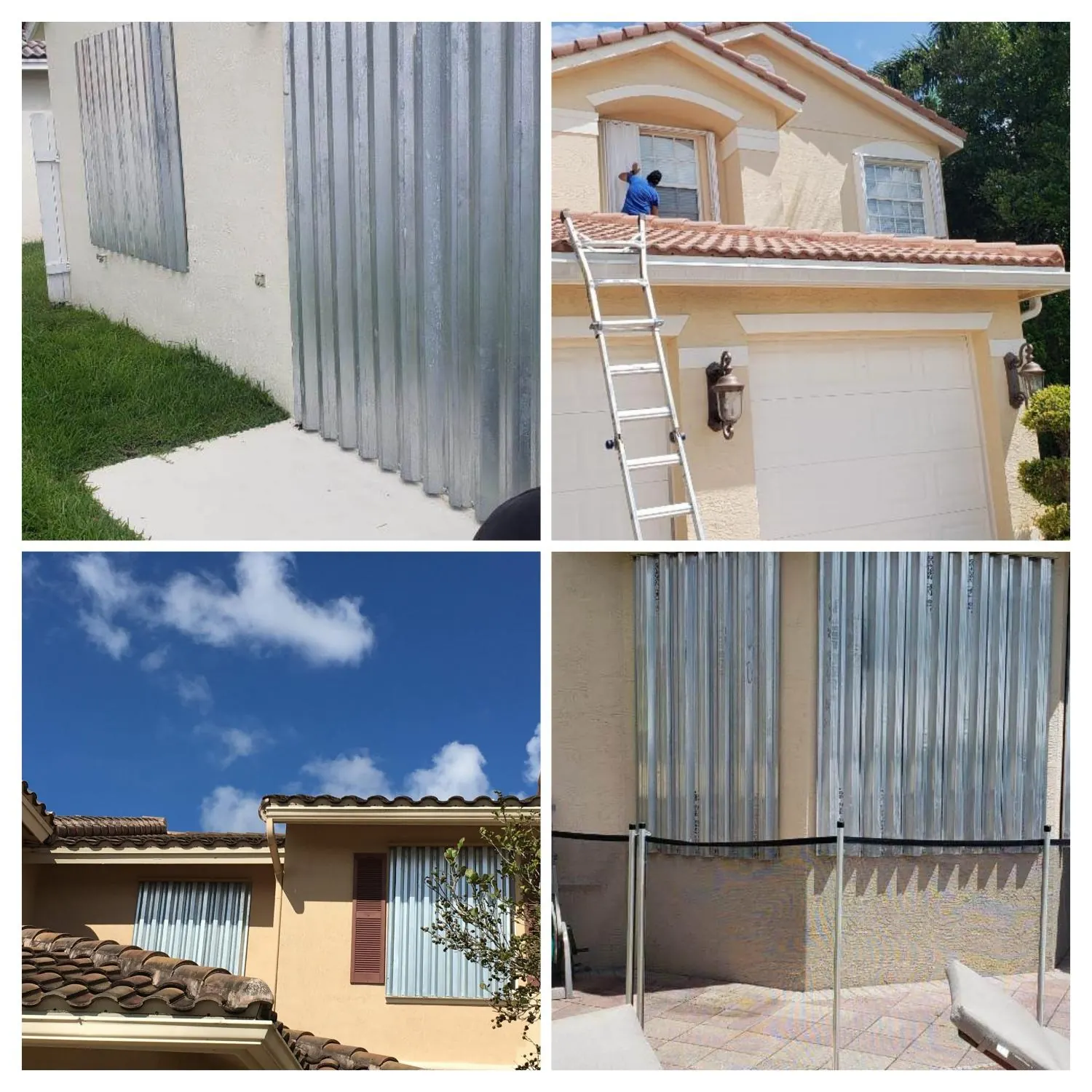
As a low or barrier location, Goodland takes both surge and wind. After a storm we secure openings with metal panels, extract water that came in, and dry walls and floors before mold starts.
Goodland is a small fishing village on the east side of Marco Island's bay waters, reached by its own road off State Road 92. The U.S. Census Bureau's 2018–2022 American Community Survey estimates about 155 residents in Goodland. The median year of construction is about 1976, so a large share of the housing stock predates modern Florida Building Code wind and water standards. Low ground near the water in Goodland has taken storm surge in recent hurricanes. Goodland has a historic or working-waterfront character, with older cottages and small commercial buildings near the water.
Goodland by the numbers
Median year built: 1976. That matters because homes built before 2002 predate the statewide Florida Building Code and its stronger wind provisions. Population: about 155 (the Census Bureau's 2018–2022 American Community Survey estimate). Roughly 53% of housing units are held for seasonal or recreational use; storm damage is often found days later by a neighbor or manager. About 37% of housing units in Goodland are mobile or manufactured homes, where manufactured homes are among the most wind-exposed structures in a storm.
Claims paperwork
After a hurricane, wind and flood claims often go to different insurers. We keep the documentation separate so each adjuster gets what they need. You stay in control of your claims.
How storm restoration works
- Close broken openings with metal panels.
- Pull standing water out of the building.
- Remove soaked drywall, insulation, and flooring that cannot be dried.
- Dry the structure and log readings until they are normal.
- Record each source of water apart, because wind and flood are often different policies.
Stay safe first
- Take photos of the roof, openings, and every wet room.
- Run generators outdoors, well away from doors and windows.
- Move valuables out of wet rooms.
Other services in Goodland
- Water damage in Goodland: extraction, structural drying, and moisture mapping.
- Mold remediation in Goodland: containment, HEPA filtration, and removal under Florida license MRSR4195.
- Fire and smoke in Goodland: board-up, soot and odor cleanup, and drying of firefighting water.
- Emergency tarping in Goodland: temporary roof cover to stop water until a roofer repairs it.
- Commercial restoration in Goodland: water, mold, and fire restoration for businesses, rentals, and associations.
- All services in Goodland
Close to Goodland
Emergency dispatch
Request a crew
Water, mold, fire, or storm damage. We document the loss for your insurance claim. You keep the claim.
24/7 · Licensed & insured · FL mold license MRSR4195 · ★ 5.0 on Google (21 reviews)
Standing water or an active scene? Call (239) 688-2880 now. We answer 24/7. By sending, you agree we may call or text this number about this loss.
Common questions
Storm damage restoration questions in Goodland
Do you handle storm damage in Goodland?
Yes. We board up openings, tarp roofs, extract water, remove soaked materials, and dry the structure in Goodland. We document wind and flood sources separately for your insurers.
Who handles storm damage in Goodland?
Aftermath Restoration Group handles storm damage in Goodland and across Collier County, 24/7. Call (239) 688-2880 for board-up, emergency tarping, water extraction, and drying. We give you an arrival time when you call.
Do you board up businesses in Goodland after storms?
Yes. We secure broken windows and doors, tarp roofs, and extract and dry storm water in commercial buildings in Goodland.
How soon after a hurricane can you get to Goodland?
We answer 24/7, but after a major storm everyone calls at once. Call (239) 688-2880 and we give you an honest arrival time. Crews go out once winds drop and roads are safe.
What if storm water sat in my Goodland home for days?
Anything soaked for days, like drywall, insulation, and carpet pad, usually has to come out. We remove it, dry the structure, and check for mold before the walls are closed up.