Belleair Bluffs, Pinellas County
Storm and flood water cleanup in Belleair Bluffs
Storm damage in Belleair Bluffs? Call Aftermath Restoration Group at (239) 688-2880, 24/7. We close up broken openings, tarp roofs, get the water out, and document wind and flood damage for your insurer. Licensed and insured across Pinellas County.
24/7 · Licensed & insured · FL mold license MRSR4195 · ★ 5.0 on Google (21 reviews)
Wind and water in Belleair Bluffs
Storm calls in Belleair Bluffs mix wind-driven rain through windows and roofs with high water from canals, bays, or rivers. Board-up comes first, then extraction and structural drying.
Belleair Bluffs is a small city on the bluff over the Intracoastal Waterway between Belleair and Largo. The U.S. Census Bureau's 2018–2022 American Community Survey estimates about 2,476 residents in Belleair Bluffs. The median year of construction is about 1972, so a large share of the housing stock predates modern Florida Building Code wind and water standards. Older housing in Belleair Bluffs often has aging supply lines, water heaters, and roofs that have been through several storms.
After the storm passes
- Do not wade through standing water.
- Leave the breaker alone if you would have to stand in water to reach it.
- Photograph damage inside and out before cleanup.
How storm restoration works
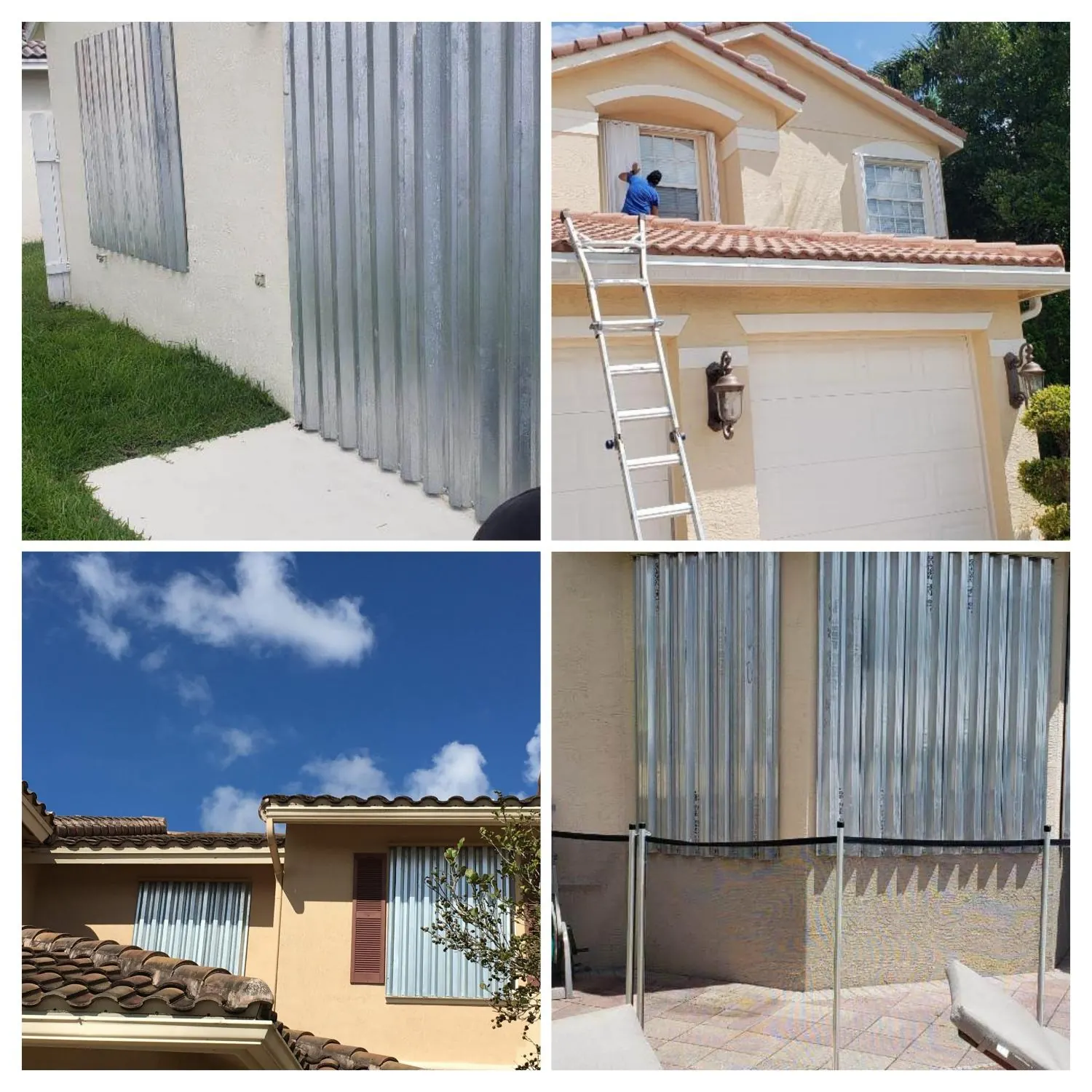
- Close broken openings with metal panels.
- Tarp damaged roof sections to stop more water getting in.
- Pull standing water out of the building.
- Cut out wet materials that will not dry in place.
- Document wind damage and flood damage separately for your insurers.
Insurance and your claim
Emergency board-up and tarping are part of protecting the property from further damage, which most policies expect. We document everything we do. Coverage is up to your policy.
Local facts that shape the job in Belleair Bluffs
About 56% of units are in buildings with 10 or more units, so wind-driven rain gets in around sliders and windows on upper floors. Belleair Bluffs is about 15 miles northwest of St. Petersburg. Population: about 2,476 (the Census Bureau's 2018–2022 American Community Survey estimate). Median year built: 1972. That matters because homes built before 2002 predate the statewide Florida Building Code and its stronger wind provisions.
Other services in Belleair Bluffs
- Water damage in Belleair Bluffs: extraction, structural drying, and moisture mapping.
- Mold remediation in Belleair Bluffs: containment, HEPA filtration, and removal under Florida license MRSR4195.
- Fire and smoke in Belleair Bluffs: board-up, soot and odor cleanup, and drying of firefighting water.
- Emergency tarping in Belleair Bluffs: temporary roof cover to stop water until a roofer repairs it.
- Commercial restoration in Belleair Bluffs: water, mold, and fire restoration for businesses, rentals, and associations.
- All services in Belleair Bluffs
Storm damage restoration near Belleair Bluffs
Emergency dispatch
Request a crew
Water, mold, fire, or storm damage. We document the loss for your insurance claim. You keep the claim.
24/7 · Licensed & insured · FL mold license MRSR4195 · ★ 5.0 on Google (21 reviews)
Standing water or an active scene? Call (239) 688-2880 now. We answer 24/7. By sending, you agree we may call or text this number about this loss.
Common questions
Storm damage restoration questions in Belleair Bluffs
Do you handle storm damage in Belleair Bluffs?
Yes. We board up openings, tarp roofs, extract water, remove soaked materials, and dry the structure in Belleair Bluffs. We document wind and flood sources separately for your insurers.
Do you board up businesses in Belleair Bluffs after storms?
Yes. We secure broken windows and doors, tarp roofs, and extract and dry storm water in commercial buildings in Belleair Bluffs.
Who handles storm damage in Belleair Bluffs?
Aftermath Restoration Group handles storm damage in Belleair Bluffs and across Pinellas County, 24/7. Call (239) 688-2880 for board-up, emergency tarping, water extraction, and drying. We give you an arrival time when you call.
Do you tarp roofs in Belleair Bluffs after a storm?
Yes. We offer emergency roof tarping in every area we serve, including Belleair Bluffs. The tarp stops more water getting in until a licensed roofer makes permanent repairs.
Is storm water damage covered by insurance?
Wind-driven rain through a damaged roof or window is usually a homeowners claim; rising flood water usually needs a separate flood policy. We document each separately. You keep the claim.