Belleair Beach, Pinellas County
Roof tarping after storm damage in Belleair Beach
Aftermath answers (239) 688-2880 24/7 for roof tarps in Belleair Beach. We stop more water from getting in until the roof is repaired.
24/7 · Licensed & insured · FL mold license MRSR4195 · ★ 5.0 on Google (21 reviews)
Tarping after storms in Belleair Beach
Roofs in Belleair Beach take hurricane and thunderstorm wind. Lifted shingles, cracked tiles, and fallen limbs open the attic to rain; we cover the damage, fasten the tarp, and dry what already got wet.
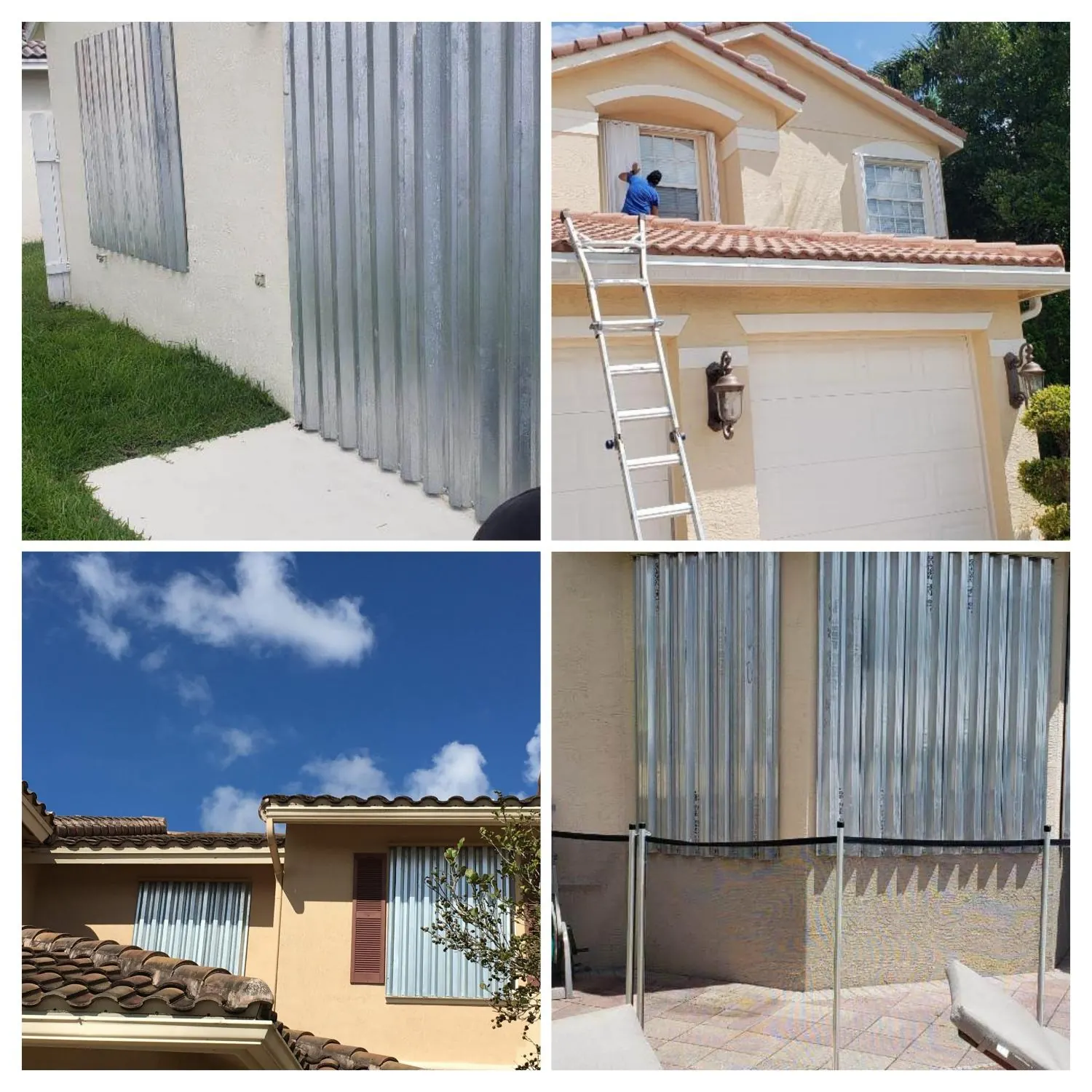
As a low or barrier location, Belleair Beach takes both surge and wind. After a storm we secure openings with metal panels, extract water that came in, and dry walls and floors before mold starts.
Claims paperwork
Most policies expect you to prevent further damage after a loss, and an emergency tarp does exactly that. We document the tarp and the damage for your insurer. You keep the claim.
While you wait
- Do not climb on a wet or damaged roof yourself.
- Take photos from the yard and of every leak inside.
- Report the damage and keep the claim number handy.
Why Belleair Beach's housing stock matters here
The median age in Belleair Beach is about 60 (the Census Bureau's 2018–2022 American Community Survey). We can send photos and paperwork to a family member or manager who helps with the claim. About 28% of units are in buildings with 10 or more units, so flat and low-slope roofs on larger buildings need a different cover than a house. Population: about 1,512 (the Census Bureau's 2018–2022 American Community Survey estimate). Median year built: 1976. That matters because roofs on homes of that age have often been replaced or patched at least once, and older decking can be weaker under a tarp.
How we tarp a Belleair Beach roof
- Cover the damaged area with a heavy tarp that extends past the damage.
- Fasten and weight the tarp so it holds in wind.
- Board up any broken windows or doors at the same visit.
- Dry the ceilings, walls, and floors that took water through the roof.
- Give you photos and a written record to hand your roofer and your insurer.
Also in Belleair Beach
- Water damage in Belleair Beach: extraction, structural drying, and moisture mapping.
- Mold remediation in Belleair Beach: containment, HEPA filtration, and removal under Florida license MRSR4195.
- Fire and smoke in Belleair Beach: board-up, soot and odor cleanup, and drying of firefighting water.
- Storm damage in Belleair Beach: board-up, extraction, and drying after wind and flood.
- Commercial restoration in Belleair Beach: water, mold, and fire restoration for businesses, rentals, and associations.
- All services in Belleair Beach
Neighboring communities
Emergency dispatch
Request a crew
Water, mold, fire, or storm damage. We document the loss for your insurance claim. You keep the claim.
24/7 · Licensed & insured · FL mold license MRSR4195 · ★ 5.0 on Google (21 reviews)
Standing water or an active scene? Call (239) 688-2880 now. We answer 24/7. By sending, you agree we may call or text this number about this loss.
Common questions
Emergency roof tarping questions in Belleair Beach
What roof damage do you tarp in Belleair Beach?
Roofs in Belleair Beach take hurricane and thunderstorm wind. Lifted shingles, cracked tiles, and fallen limbs open the attic to rain; we cover the damage, fasten the tarp, and dry what already got wet. We cover the damaged area, fasten the tarp to hold in wind, and dry any water that came inside. Call (239) 688-2880, 24/7.
Do you repair roofs in Belleair Beach?
No. We tarp the roof to stop water getting in, and we dry the water that already came inside. Permanent roof repairs go to a licensed roofer.
Do you tarp commercial roofs in Belleair Beach?
Yes. We tarp and board up commercial buildings in Belleair Beach and dry any water that came inside. Call (239) 688-2880.
Can you tarp a roof during a storm?
No one should be on a roof in high wind or lightning. We tarp as soon as conditions are safe, and in the meantime we can help with water inside.
How long can a roof tarp stay on?
A tarp is temporary. It is meant to keep water out until a licensed roofer can repair the roof. After a big storm that can take a while, so we fasten it to hold through wind and rain.